Drugstore vs Luxury Anti-Aging Skincare for Sensitive Skin: What Actually Matters?
When people search for drugstore vs luxury skincare, they usually want a clean answer: is the expensive stuff actually better? For sensitive skin anti-aging, the honest answer is no, not by default. The biggest difference is often packaging, texture, brand story, and how fancy the experience feels. What matters more is whether your skin can tolerate the formula long enough to get results.
Sensitive skin changes the whole equation. If your skin gets red, tight, itchy, flaky, or you’re dealing with rosacea-safe products only, the “best” anti-aging product is the one you can use consistently without triggering inflammation. A luxury cream loaded with perfume, essential oils, or too many active ingredients can backfire fast. A plain-looking drugstore serum with solid percentages of niacinamide, glycerin, ceramides, or retinal may do more for fine lines simply because your skin doesn’t revolt after night three. Expensive skincare can be lovely, but tolerance beats glamour every time.
What You’re Actually Paying for in Luxury Skincare
Luxury anti-aging skincare can offer genuinely nice things. Better textures. More elegant emulsions. Airtight packaging. Sometimes more sophisticated delivery systems that help stabilize ingredients like vitamin C or retinal. Those details are not meaningless. If a product feels smooth, layers well, and makes you want to use it, that has value. Skincare value is not just about ingredient lists on paper. User experience affects consistency, and consistency is where anti-aging results come from.
But a lot of the price also goes toward branding, advertising, prestige retail margins, heavy glass packaging, and a polished sensory experience. That doesn’t make luxury skincare a scam. It just means the extra money doesn’t always buy better outcomes for sensitive skin. In fact, luxury lines are more likely to lean into fragrance, botanical extracts, and “spa-like” formulas that feel indulgent but can be rough on reactive skin. If you’re redness-prone, paying more for a beautiful jar that stings is not premium. It’s just expensive irritation.
The Ingredients That Matter Most for Sensitive Skin Anti-Aging
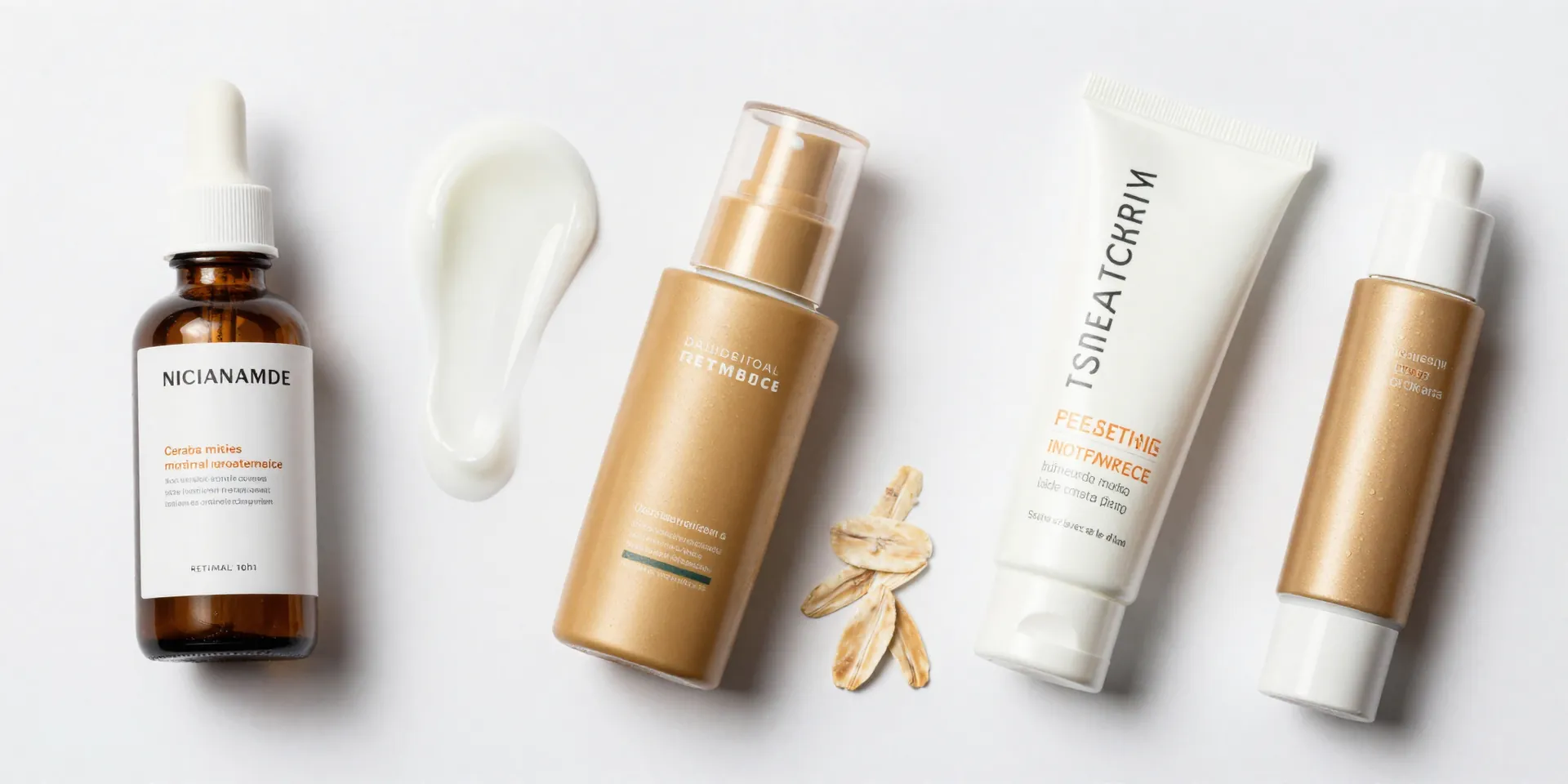
If your goal is smoother, calmer, more resilient skin, focus less on brand tier and more on a short list of ingredients with a good track record. Broad-spectrum sunscreen is first. Not glamorous, but nothing outperforms daily UV protection for wrinkles, dark spots, and loss of firmness. For sensitive skin, mineral filters or very gentle hybrid formulas often work better, especially if chemical sunscreens make you sting or flush.
After that, look for barrier-supportive basics: ceramides, cholesterol, fatty acids, glycerin, squalane, panthenol, colloidal oatmeal. These help sensitive skin hold onto water and recover from irritation. For anti-aging actives, niacinamide is often a smart starting point because it can help with redness, barrier strength, pores, and uneven tone. Retinal or retinol can work too, but gentler formulas matter more than high percentages. Low and slow wins here. For rosacea-prone skin, azelaic acid is one of the few ingredients that can pull double duty by helping visible redness and breakouts while still supporting a smoother-looking complexion over time. None of this needs a luxury price tag. Plenty of drugstore products cover these bases very well.
Drugstore Products Often Win on Simplicity, and That’s a Big Deal
There’s a reason many dermatologists keep recommending pharmacy staples. Drugstore skincare is often built around proven basics, and that can be a gift if your skin is easily offended. You’ll find bland-looking cleansers, moisturizers, and treatment serums that skip the perfumed flourishes and focus on function. That’s not boring. That’s useful.
The best affordable anti-aging routine for sensitive skin is usually pretty plain: a gentle cleanser, a moisturizer with barrier-supporting ingredients, a sunscreen you’ll actually wear, and one carefully chosen active. That active might be a low-strength retinoid, a peptide serum, niacinamide, or azelaic acid depending on your skin’s mood and your main concern. The drugstore category also tends to be better for experimentation because the financial risk is lower. If your skin hates something, you’re out twenty dollars, not one hundred and forty. For many people, that makes drugstore vs luxury skincare less of a prestige debate and more of a smart risk-management decision.
How to Judge Skincare Value Without Getting Played by Marketing
If you want real skincare value, ask a few blunt questions. First: does this formula contain ingredients with evidence behind them, or is it leaning on vague plant blends and dreamy claims? Second: is the packaging protecting unstable ingredients from air and light? Third: is there fragrance, essential oil, or a long list of extracts that could irritate sensitive skin? Fourth: can you afford to repurchase it consistently if it works?
That last point gets ignored a lot. A luxury serum that gives modest results but gets rationed because it’s too expensive may end up being less effective than an affordable one used daily for six months. Value is outcome over time, not excitement on day one. Also, pay attention to concentration theater. More isn’t always better, especially with retinoids, acids, and vitamin C. Sensitive skin tends to do better with well-formulated moderate strength products used steadily. A fancy label that promises fast transformation can be exactly the wrong fit if your skin barrier is already fragile.
If You Have Rosacea or Easily Triggered Skin, Build a Routine Like a Minimalist
For people hunting specifically for rosacea-safe products, restraint matters more than status. Start with a fragrance-free cleanser that doesn’t leave your face squeaky. Add a moisturizer that supports the barrier and doesn’t try to do twelve things at once. Use sunscreen every morning. Then, if you want anti-aging benefits, add one treatment product and give it time. Not three serums. Not a rotating acid schedule. One thing.
That treatment might be azelaic acid if redness and bumps are front and center. It might be a gentle retinoid if your skin can handle it, introduced two nights a week over moisturizer. It might even be a basic peptide or niacinamide serum if you’re extremely reactive. This is where luxury can occasionally earn its keep: some premium brands make beautifully elegant, low-irritation textures that sensitive users love. But the formula still has to prove itself on your face, not on the price tag. If a forty-dollar drugstore routine leaves your skin calmer, smoother, and less red than a cabinet full of luxury products, that’s your answer.