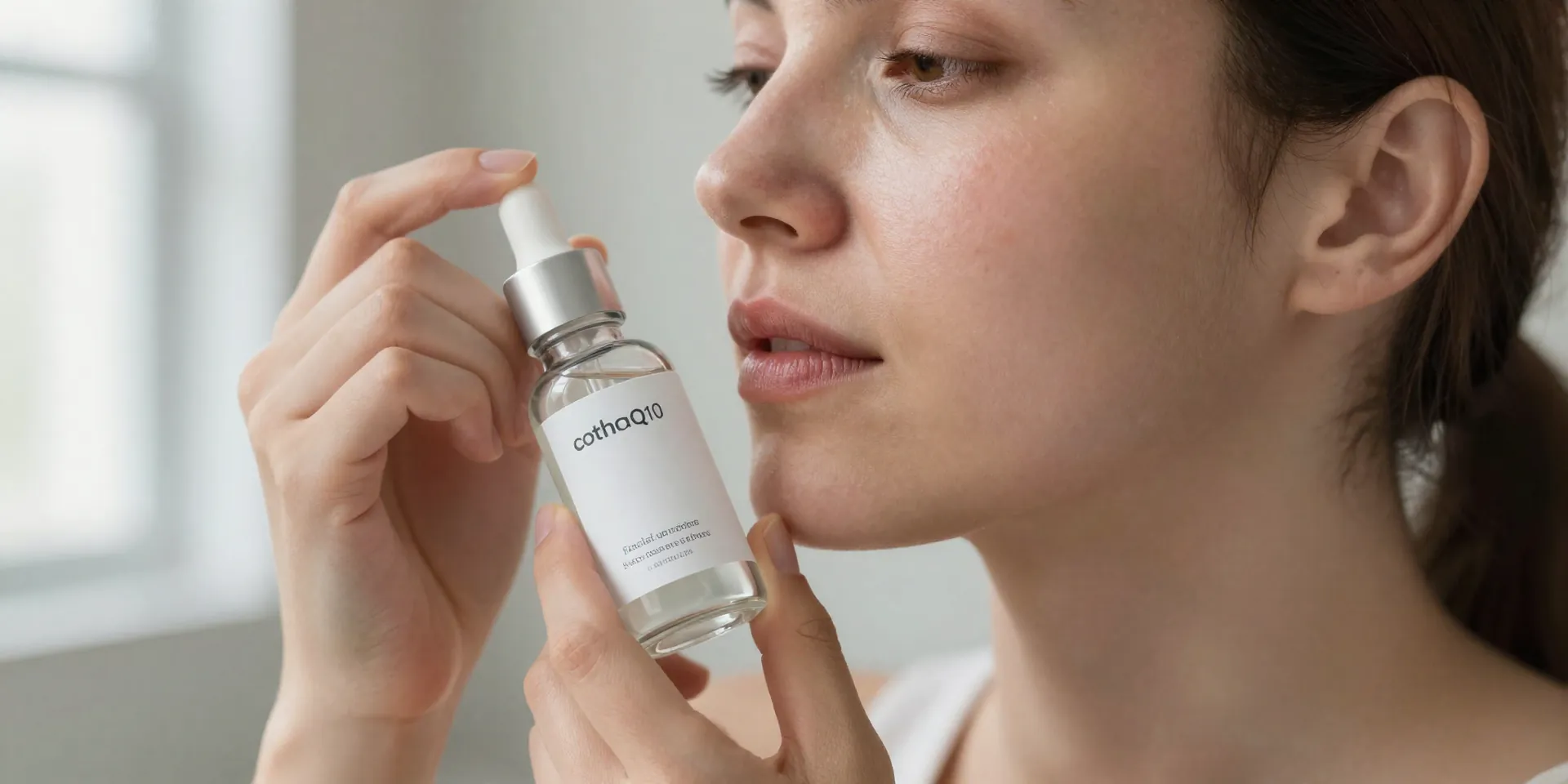
Coenzyme Q10 for Sensitive Skin: An Underrated Antioxidant for Early Wrinkles
Why Coenzyme Q10 Makes Sense for Sensitive Skin Coenzyme Q10 doesn’t get talked about nearly as much as retinol or vitamin C, but for sensitive skin, that may be exactly…
Home/Ingredient Guides
7 articles
Why Coenzyme Q10 Makes Sense for Sensitive Skin Coenzyme Q10 doesn’t get talked about nearly as much as retinol or vitamin C, but for sensitive skin, that may be exactly…

Ceramides Matter More Than Fancy Actives When Skin Starts Acting Fragile Ceramides are one of those skincare ingredients that sound technical but are actually pretty simp…

Retinol vs Bakuchiol: the real difference for sensitive, rosacea-prone skin If you’re comparing retinol vs bakuchiol for sensitive, rosacea-prone skin, you’re usually ask…

Why niacinamide can work for sensitive skin when other anti-aging actives don’t Niacinamide for sensitive skin gets recommended a lot, and unlike plenty of skincare hype,…
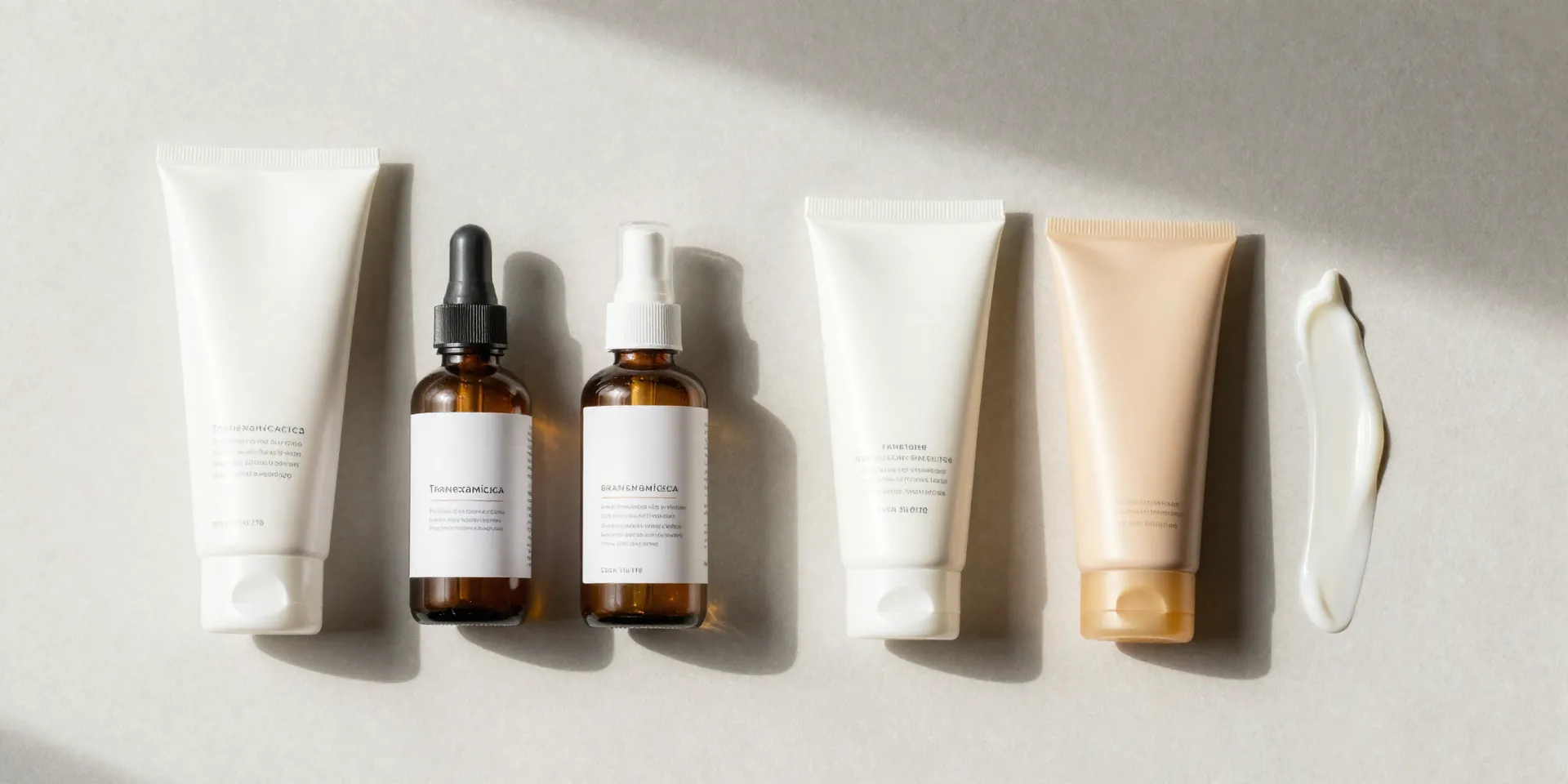
Why Tranexamic Acid Gets So Much Attention for Age Spots on Reactive Skin Tranexamic acid has earned a solid reputation because it targets one of the hardest skin issues…
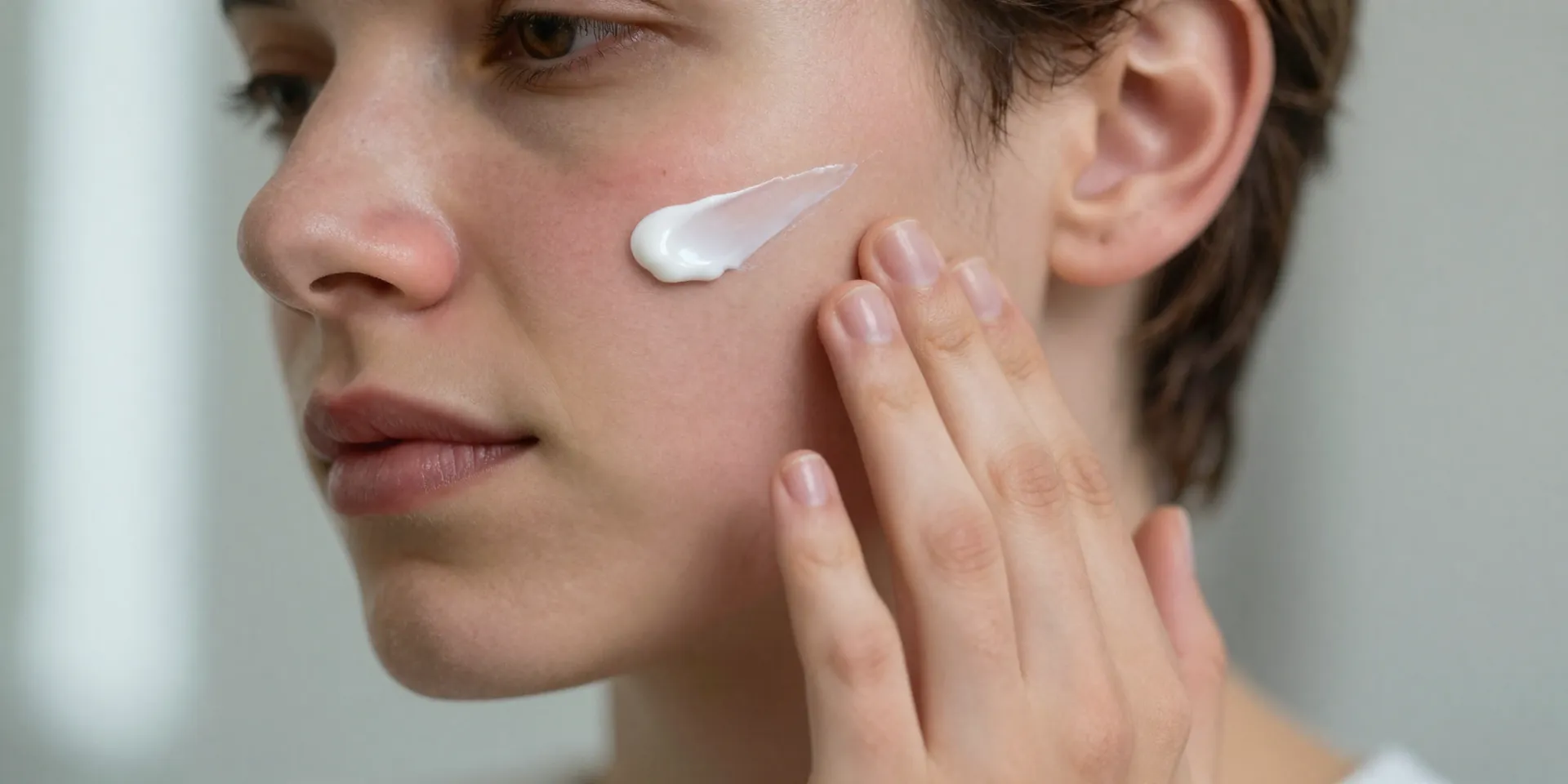
The Short Answer: Retinal Often Works Better, but Not for Every Sensitive Face If you’re comparing retinal vs retinol for sensitive skin, here’s the blunt version: retina…

What Hyaluronic Acid Actually Does for Mature Sensitive Skin Hyaluronic acid has a reputation for being the easy yes in skincare, and for mature sensitive skin, that repu…