Is Retinal Better Than Retinol for Sensitive Skin? A Beginner’s Guide
If you’re comparing retinal vs retinol for sensitive skin, here’s the blunt version: retinal is often the better pick if you want faster results with fewer steps between the ingredient and active vitamin A. But that does not automatically make it gentler for everyone. Sensitive skin is messy. Some people do beautifully on a well-formulated retinal serum. Others flush, sting, peel, and decide all vitamin A products are evil. Usually the formula, strength, and how often you use it matter just as much as whether the label says retinal or retinol.
What makes this confusing is that retinal is technically stronger than retinol, yet many beginners find it more efficient and sometimes easier to tolerate in a properly made product. That sounds backwards until you understand conversion. Retinol has to go through extra steps in the skin before it becomes retinoic acid, the form your skin actually uses. Retinal is one step closer. So you may get more noticeable anti-aging benefits at a lower concentration, which can mean less product layering, less overuse, and fewer weeks wondering whether anything is happening. For beginner skincare, the better question is not “Which one is strongest?” It’s “Which one gives me the results I want without starting a war on my face?”
Why Retinal and Retinol Feel Different on Skin
Retinol and retinal belong to the retinoid family, but they don’t behave exactly the same. Retinol converts to retinal, then to retinoic acid. Retinal skips one of those steps. That usually means it gets to work faster. In real-life terms, retinal may help with fine lines, post-acne marks, texture, and dullness a bit sooner than retinol. That efficiency is the main reason people get excited about it.
But speed is only part of the story. Sensitivity is often shaped by formulation details that most shoppers ignore: the base, the delivery system, whether the product contains soothing ingredients, and the percentage used. A gentle retinol cream in a cushiony moisturizer base may be easier for your skin than a badly formulated retinal gel. On the other hand, a low-strength retinal in a smart encapsulated formula can feel smoother and less irritating than an aggressive retinol serum used too often. Here’s the thing: people treat ingredient names like personality types. They’re not. The exact product matters. So if your skin is reactive, don’t choose based on hype alone. Look at strength, texture, and the rest of the formula, not just the headline ingredient.
For Sensitive Skin, the Real Winner Is the Formula You Can Actually Keep Using
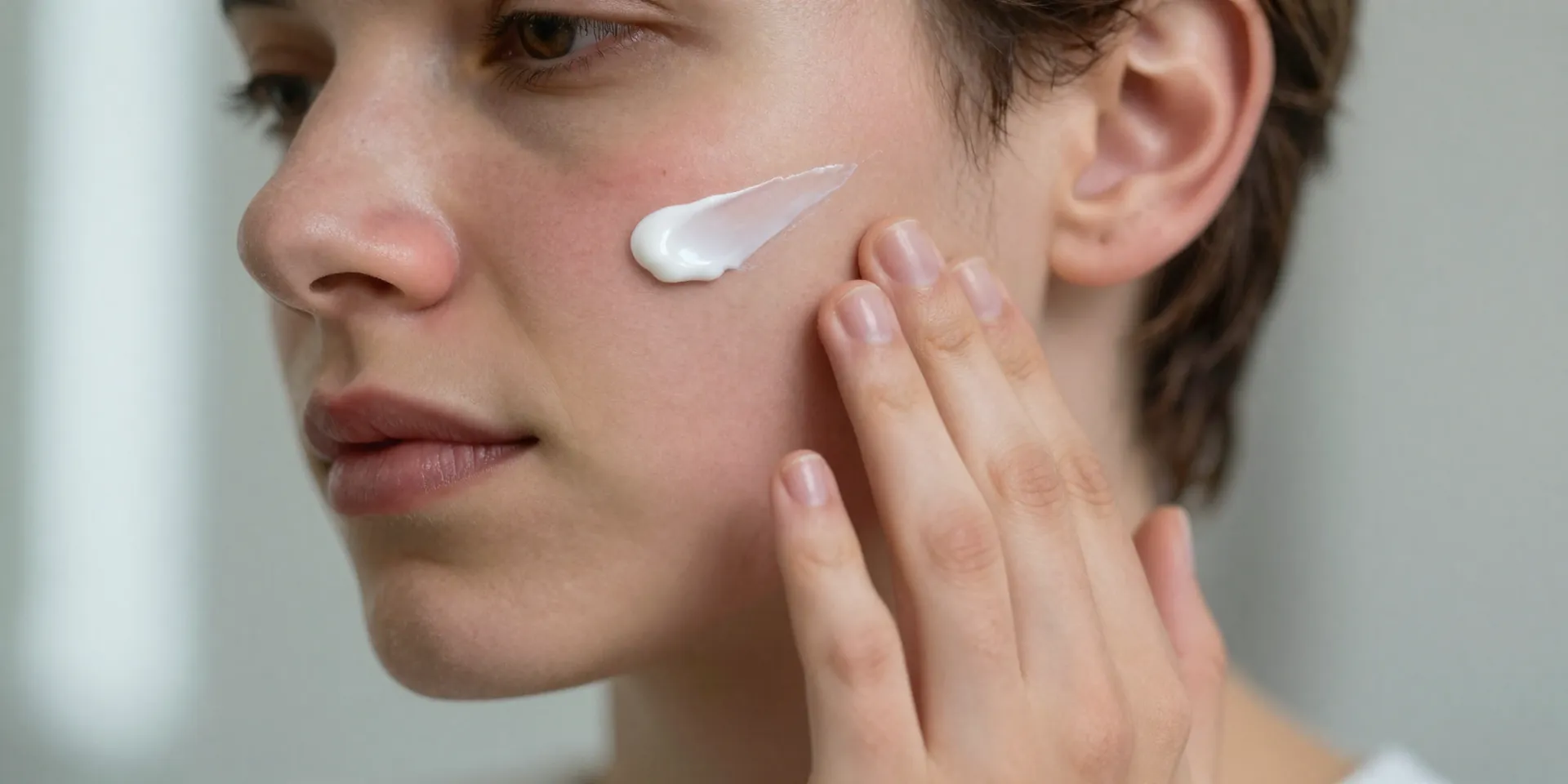
Sensitive skin does not care about marketing claims. It cares about barrier health. If your skin is already dry, reactive, or prone to stinging, the best anti-aging ingredient is the one you can use consistently without wrecking your barrier. That’s where retinal can be surprisingly good. Because it is more direct than retinol, some people need only a tiny amount two nights a week to see progress. Less frequent use can mean less irritation overall. That’s the upside.
The downside is obvious: if you jump into a strong retinal too quickly, your face may let you know immediately. Tightness, burning, flakes around the nose and mouth, sudden redness, and that shiny over-exfoliated look are all signs you pushed too hard. Retinol can sometimes be the safer starting point if your skin is extremely cautious, especially if you’ve reacted badly to acids, vitamin C, or fragranced products before. For beginner skincare, I’d call retinal the smarter option for many people with mildly sensitive skin who still want visible results. For very reactive skin, eczema-prone skin, or anyone whose barrier is already compromised, a low-dose retinol or even no retinoid yet may be the wiser move. Better is personal here, not absolute.
How to Start Without Triggering the Classic Retinoid Freak-Out
If you’re new to anti-aging ingredients, the biggest mistake is treating retinal or retinol like a daily challenge. Don’t. Start with a pea-sized amount for your whole face, on dry skin, just two nights a week. Dry skin matters because damp skin can increase penetration and make irritation worse. If you’re nervous, use the sandwich method: moisturizer first, then your retinoid, then another light layer of moisturizer. It’s not cheating. It’s smart.
Keep the rest of your routine boring for the first month. Gentle cleanser. Plain moisturizer. Daytime sunscreen every single morning. Skip exfoliating acids, harsh scrubs, strong benzoyl peroxide, and whatever “glow” serum has been sitting in your cart. You want to know what your skin is reacting to, and you can’t do that if you start five new actives at once. If your skin stays calm after two or three weeks, move up to every other night. If it gets angry, scale back immediately. More product does not equal faster results. For sensitive skin, slow is often what gets you to the finish line. Fast usually gets you redness, regret, and a pile of half-used bottles.
What Results to Expect, and When Retinal Makes More Sense Than Retinol
If your main goal is smoother texture, softening early fine lines, clearer pores, or fading lingering post-breakout marks, retinal is often the more compelling choice. It tends to show visible changes a bit sooner than retinol, which matters if you’re impatient or you’ve already tried weak beginner products that did basically nothing. For someone easing into serious anti-aging ingredients, a low-strength retinal can feel like the sweet spot between beginner-friendly and actually effective.
Retinol still makes sense if you want the gentlest possible entry point, if your skin reacts to almost everything, or if you’ve found a retinol formula you genuinely tolerate. There’s no prize for choosing the trendier molecule. The best product is the one you can use for months, not the one that sounds more advanced on paper. Also, expectations matter. Neither retinal nor retinol will erase deep wrinkles in a few weeks or give you airbrushed skin. You’re looking for gradual improvements: smoother feel, more even tone, a little more bounce, fewer clogged pores, and that subtle “my skin looks better rested” effect. That’s real progress, and it usually comes from consistency, sunscreen, and not constantly switching products.
The Best Companion Products for Retinal or Retinol if Your Skin Gets Moody
If you want retinal or retinol to work on sensitive skin, build a support system around it. The most helpful ingredients are boring in the best possible way: ceramides, glycerin, hyaluronic acid, squalane, panthenol, and colloidal oatmeal. These are the quiet people at the party. They keep your skin barrier steady while the retinoid does the flashy work. A rich but non-irritating moisturizer can make the difference between “I can keep using this” and “Why does my face hurt?”
And yes, sunscreen is non-negotiable. Retinoids make fresh skin more vulnerable, and unprotected sun exposure can undo the very anti-aging benefits you’re chasing. Choose a sunscreen you’ll actually wear every day, even if that means ignoring internet snobbery and picking the least glamorous bottle on the shelf. One more thing: don’t stack your night routine with every active you own. If you’re using retinal or retinol, be careful with exfoliating acids, strong vitamin C, and acne treatments until your skin has settled. Sensitive skin likes restraint. If your routine starts looking like a chemistry set, you’ve probably gone too far. The smartest beginner skincare routine is usually the simplest one that still gives your skin room to improve.